a foundation in ballet is necessary for the mastery of other dance forms
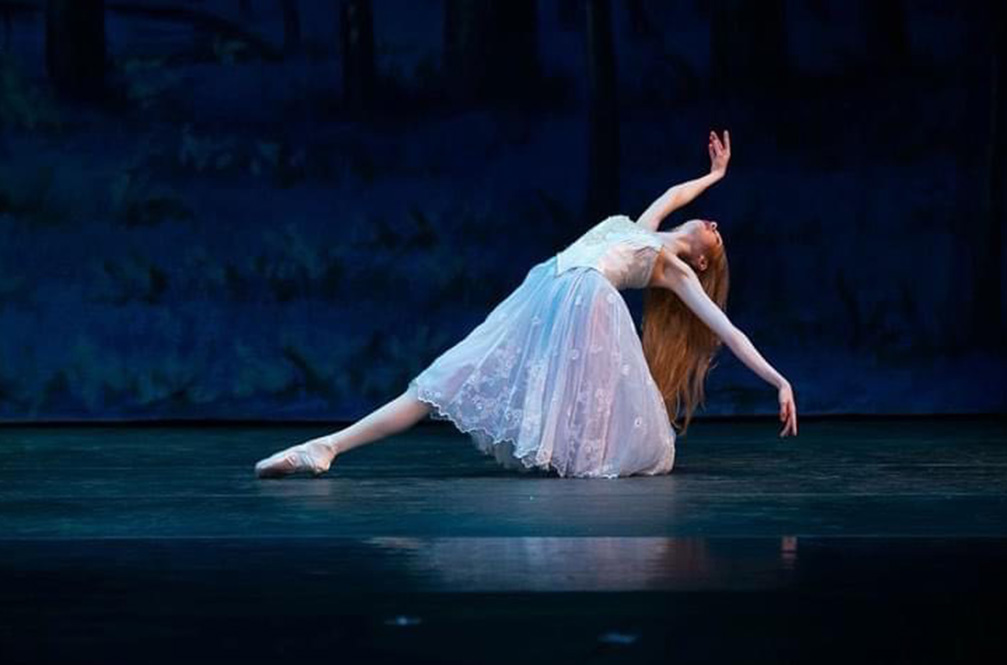
South Florida Ballet’s curriculum is based on the belief that a foundation in ballet is necessary for the mastery of other dance forms. Our school requires ballet as a core class for all students who wish to also train in other dance styles, including contemporary, flamenco, jazz, and tap. Our faculty have been exposed to the best elements of the Cecchetti method, the Royal Academy of Dance method, the Vaganova method, and the Balanchine method, as well as modern, contemporary, and folkloric styles of dance, providing our students with a range of styles and techniques necessary for the demanding versatility of the dance world. Our students have gone on to dance professionally, and while at South Florida Ballet were casted as guest stage performers with American Ballet Theatre for their Miami productions of Sleeping Beauty and Swan Lake at the Adrienne Arsht Center. Our school has performed for local galas and sporting events with The Vizcaya Ball, The Biltmore Ball, Baptist Hospital, and the Miami Marlins. Several of our students have gone on to model professionally, walking in New York Fashion Week and modeling for top brands like Nike and Bloch, and have joined dance teams for the Miami Heat, New York Knicks, and Miami Dolphins.
why train here?
Our school puts on annual performances, where students gain experience performing in a professional theatre. This allows the students to showcase their hard work and dedication to a live audience. Students gain exposure to the behind-the-scenes elements of a theatrical production, learning to dance with stage sets, costumes, props, and lighting.
We have also taught ballet to gymnasts, ice skaters, models, and actors who seek to gain more control and elegance with their body movements, along with students looking for a creative outlet and new form of exercise.
Ballet training requires commitment from students, and we believe this helps improve students’ overall time management, academic performance, physical health, and limit screen time!
Many of our students have gone on to become doctors, lawyers, educators, and entrepreneurs. Whatever future goals our students pursue, we believe they will always carry the discipline, confidence, and etiquette they cultivated at South Florida Ballet.
performances and competitions
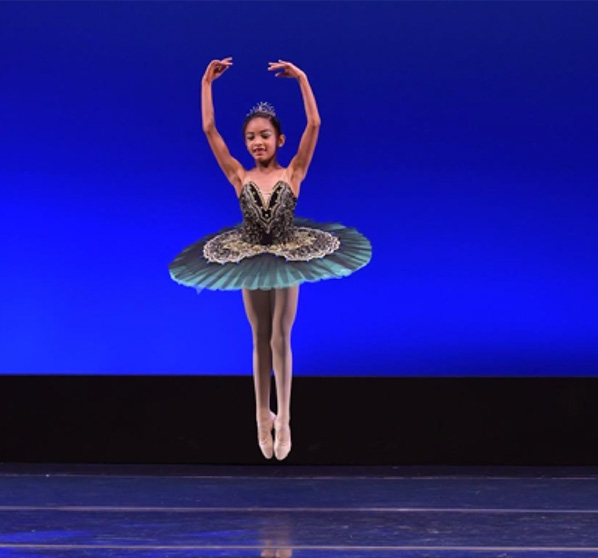
Our student Gracie who placed at Universal Ballet Competition.
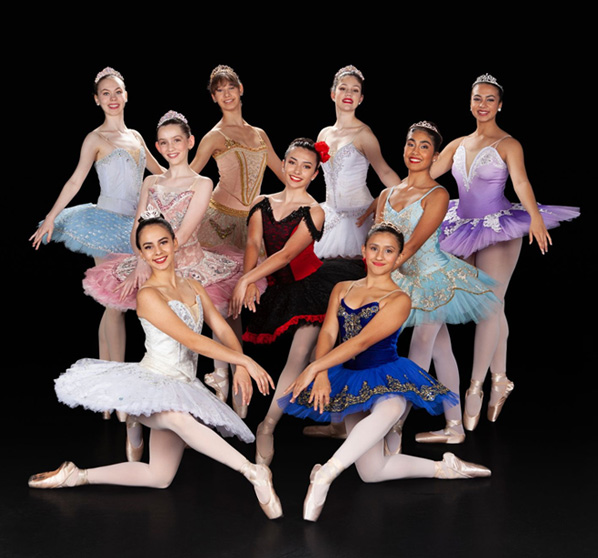
South Florida Ballet students posing before their Spring performance.
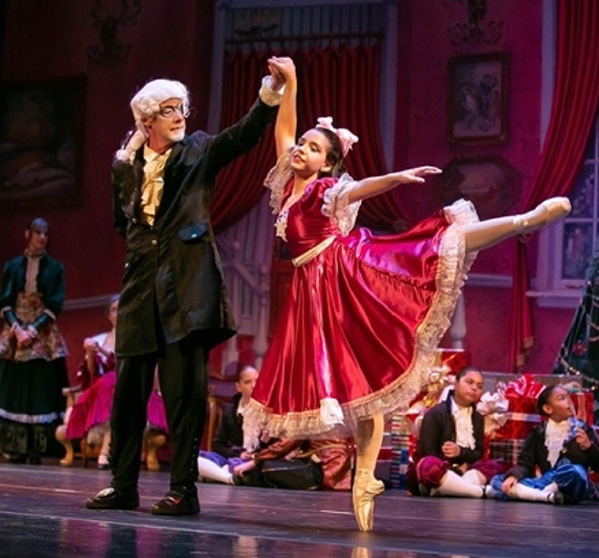
South Florida Ballet’s 2021 Nutcracker performance.
our classes

BALLET
ADULT BALLET
CONTEMPORARY
ACRO

JAZZ

FLAMENCO

TAP

CARDIO BARRE
PROGRESSIVE BALLET TECHNIQUE (PBT)
PILATES MAT WORK
Private Lessons are available upon request, with limited availabilities. Call today! 305.253.5776